Paint
Protection
Film
The only product that physically stops stone chips and scratches from ever touching your paint. Self-healing, invisible, built to last a decade.
What is
Paint Protection Film?
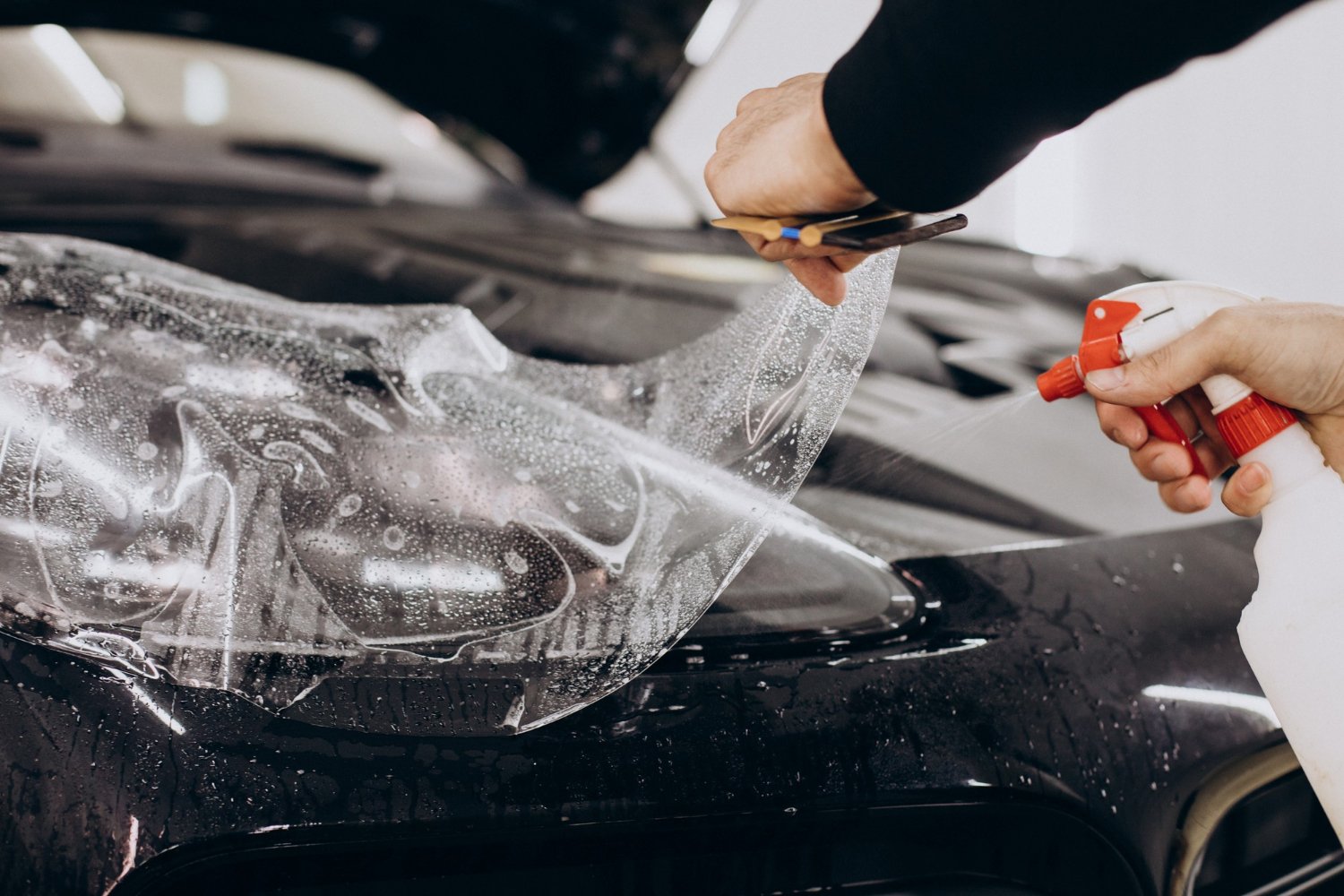
Paint Protection Film is a multi-layer thermoplastic urethane film originally developed for military helicopter blade protection. Today, it's the gold standard for automotive paint protection — a virtually invisible shield that absorbs physical impacts your paint would otherwise have to.
Modern PPF has an elastomeric polymer top coat with a unique property: when a light scratch occurs, the film's surface tension "heals" itself when exposed to heat — either sunlight or warm water. The film returns to its original, smooth state without any intervention.
What PPF Protects
You From
Stone Chips
Highway gravel at speed is the leading cause of paint damage on new cars. PPF absorbs the impact, protecting the paint underneath completely.
Light Scratches
Car wash swirls, key scratches and parking lot scuffs — the film's self-healing top coat repairs these automatically with a little heat.
UV Degradation
PPF blocks UV rays that cause paint fading and oxidation over time. The colour and clarity of your paint is preserved for years longer.
Bird Droppings & Tree Sap
Acidic bird droppings and tree sap can etch into clear coat within hours. PPF takes the hit — not your paint.
Water Spots
Hard water minerals leave chalky deposits that are difficult to remove from bare paint. The film's top coat resists mineral bonding.
Parking Damage
Door ding protection on panels. Edge film on bumpers. PPF turns the most vulnerable surfaces into impact-absorbing barriers.
Resale Value
A car with flawless factory paint commands a premium at resale. PPF preserves the original paint in showroom condition for the life of the film.
Invisible Protection
Optically clear — you'd never know it's there. The film enhances gloss rather than diminishing it. Available in matte finish for matte paint.
Brands We Work With
How We Install PPF
A PPF installation done right takes time. Here's exactly what happens to your car from the moment it enters our studio.
Initial Assessment
We inspect paint condition under multiple lights. Any existing swirls, chips or etching are documented and corrected before film goes on.
Decontamination
Iron fallout remover, tar and adhesive removal, clay bar treatment. The surface must be chemically clean for the adhesive to bond correctly.
Template Cutting
Film is computer-plotted to your vehicle's exact specifications using a DAP plotter. No blades ever touch your paint.
Application
Film is applied inside our dust-free, climate-controlled studio. Each piece is wet-applied, positioned precisely and tucked around all edges.
Cure & Inspection
Film cures for 24–72 hours. Final inspection under high-intensity lighting before handover with warranty documentation.
Common
Questions.
If you don't find your answer here, give us a call or WhatsApp us. We're happy to answer any question about your car and what coverage makes sense.
Ask on WhatsApp